Missing the Past: Why Nostalgia is a Superpower
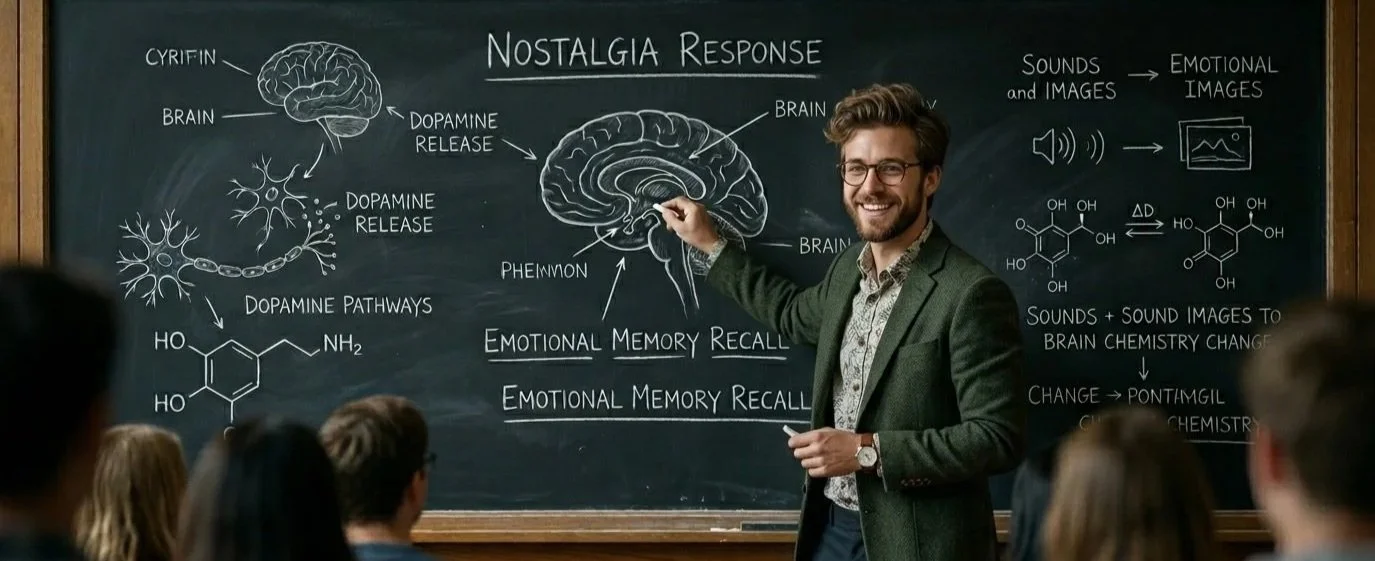
The "Teleportation" Moment
Nostalgia… it’s just your brain’s emotional junk food!
You stare at a fading photograph. You’re stopped in your tracks by a forgotten scent.
Does your brain feel like it just got a warm embrace?
Or maybe it was a bittersweet sting?
Well, those sensations just changed your brain chemistry. You didn’t just recognise the moment; you physically felt a memory.
You’ve just experienced Nostalgia.
But the question we should ask ourselves is, why?
Why can a sound, a specific smell or a blurry photo of a long-forgotten family Christmas make us feel more alive than our actual, 21st-century high-definition lives?
Is your brain just stuck in the past, or is there a deep, hidden reason why some of us are passionate about what we perceive as ‘the good old days’?
So, today, we’re breaking down the concept of Nostalgia - and why it’s so important to all of us.
We’ll look at why it’s not just about ‘getting older and missing the past’ - we’ll examine how and why it heals your brain and helps you cope with stressful life issues you might be dealing with at this very moment in time.
Why We Can't Let Go
If you asked a doctor in the 17th century, they’d tell you that nostalgia is a disease.
I’m not joking—they genuinely treated it as an acute medical condition.
The term was coined by a Swiss doctor, Johannes Hofer, who combined the Greek words nostos, meaning “return home,” and algos, meaning “pain.”
At the time, it was used to diagnose soldiers suffering from extreme homesickness—and in serious cases, doctors believed it could actually make people physically ill… or even kill them.
So, nostalgia literally means “the pain of wanting to return home”—and for us in the 21st century that translates into not just a place, but also a time or feeling that’s gone missing from our lives.
So, in the 21st century, what triggers the physical symptoms of Nostalgia and how do we define the overwhelming mental effect it has on us?
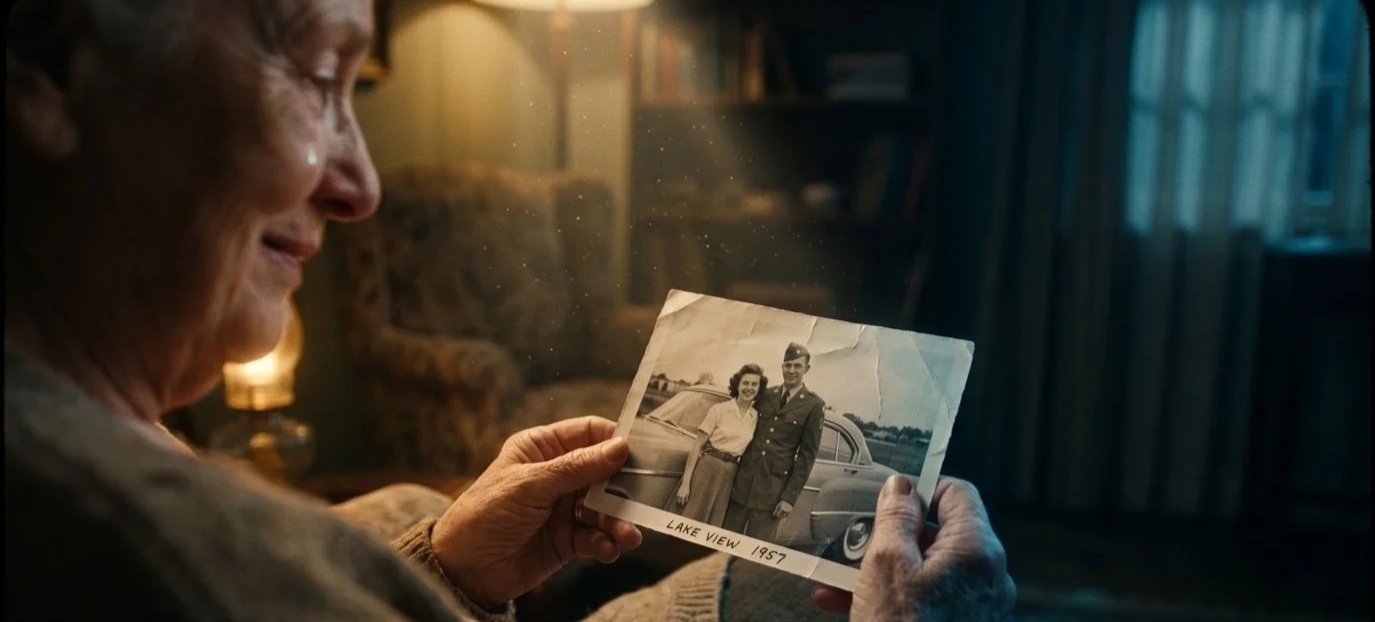
Step-by-Step: The Nostalgic Process
First up, you need a trigger: And that can be a sensory input that hits your brain, such as a smell, a sound or something you see.
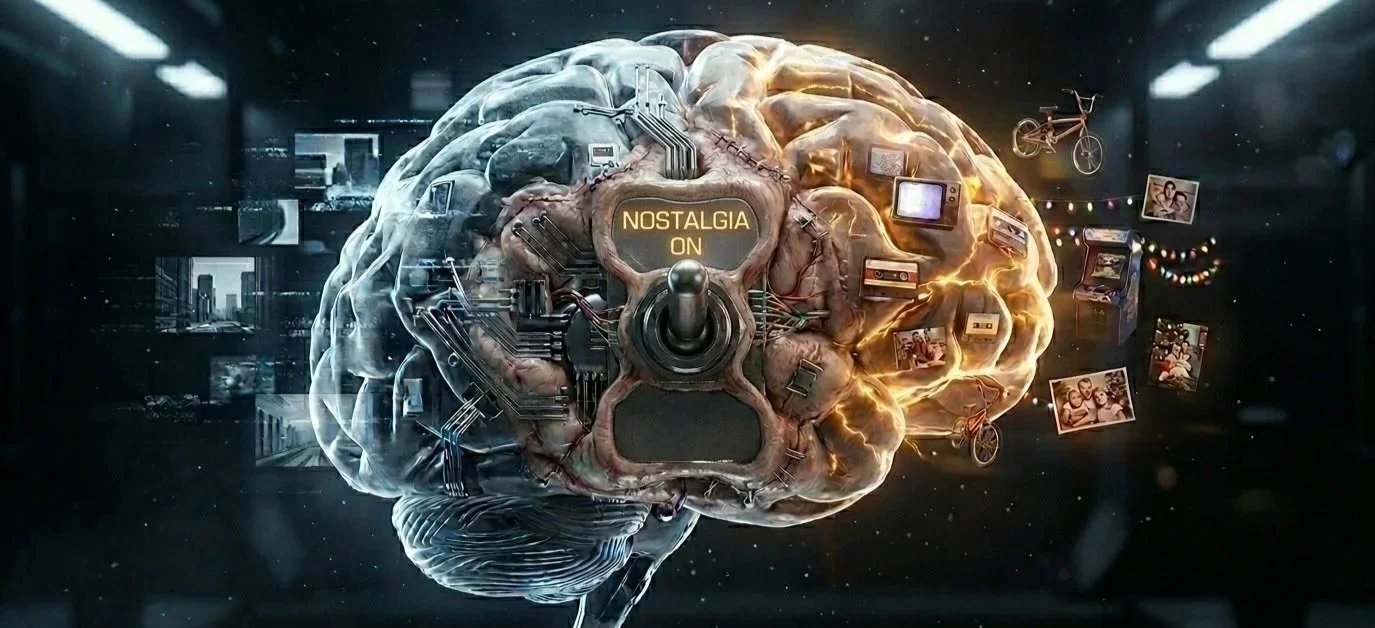
Then there’s the retrieval: Your hippocampus, a small, curved structure deep in your brain that’s crucial for memory and navigation, pulls an old file from the "Happy/Safe" cabinet in your head.
You then get the glow: Your brain releases dopamine, making the memory feel better than it probably actually was - a classic example of looking back with ‘rose tinted spectacles’.
Finally, there’s the comparison. This is the moment nostalgia becomes real in your mind’s eye and you contrast that ‘perfect’ memory with your current stressful life – stresses that might be caused by relationships for example, your job or taxes – in fact, whatever is giving you grief at that moment in time.
So, despite what our 17th century Swiss doctor thought, nostalgia isn’t actually an acute medical condition—what we now know is, it’s a psychological response.
It’s your brain linking memory and emotion.
What your brain’s really doing isn’t saying ‘things were always better,’ it’s selectively replaying moments that feel better than the present moment you’re living in.
So, nostalgia isn’t about the past being better—it’s your brain editing the past to make it feel better even if, at the time you remember back to, the reality was you were stressing over a school exam or you’d just split up from your latest teenage crush.
Basically, it’s your brain playing tricks on you?
What’s the one specific smell or song that instantly teleports you back to being twelve years old? Let me know in the comments below.
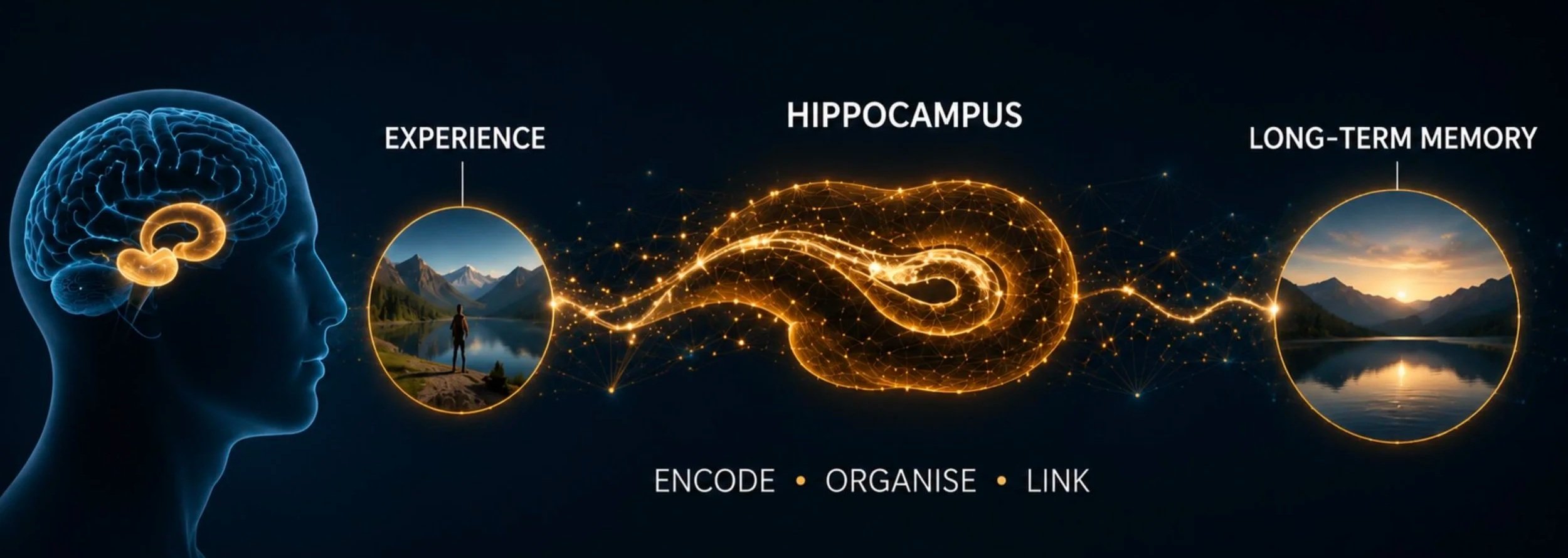
Why Nostalgia Matters (And How It Helps You Survive)
So, at this point, you might think nostalgia is just a mental distraction.
It isn’t.
Psychologists have shown that for some people it’s a psychological tool—something your brain actively uses when things aren’t going well.
That’s why, when we feel low, our mind can drift backwards, to what feels like happier, simpler times?
This experience isn’t random - and trust me, it happens to most people.
Nostalgia acts as a buffer—it can push back against loneliness, anxiety and stress by reminding you that in the past you’ve had connection, meaning, peace and stability.
And that matters - because if your brain can prove that peace and stability existed once, it believes it can exist again – and that my friend, will help you heal.
It’s kind of like that memory you have when you were ill as a kid and your mom would say to you, “don’t worry you’ll feel better soon”. That’s your ‘now’ brain anchoring your current situation to a past moment in time when you really did get better and life returned to normal.
In other words, it’s your brain giving you hope that life will improve, just like it did when you were a kid.
So, if nostalgia is acting as a buffer—if it’s helping you deal with stress, loneliness and uncertainty—then the obvious question is:
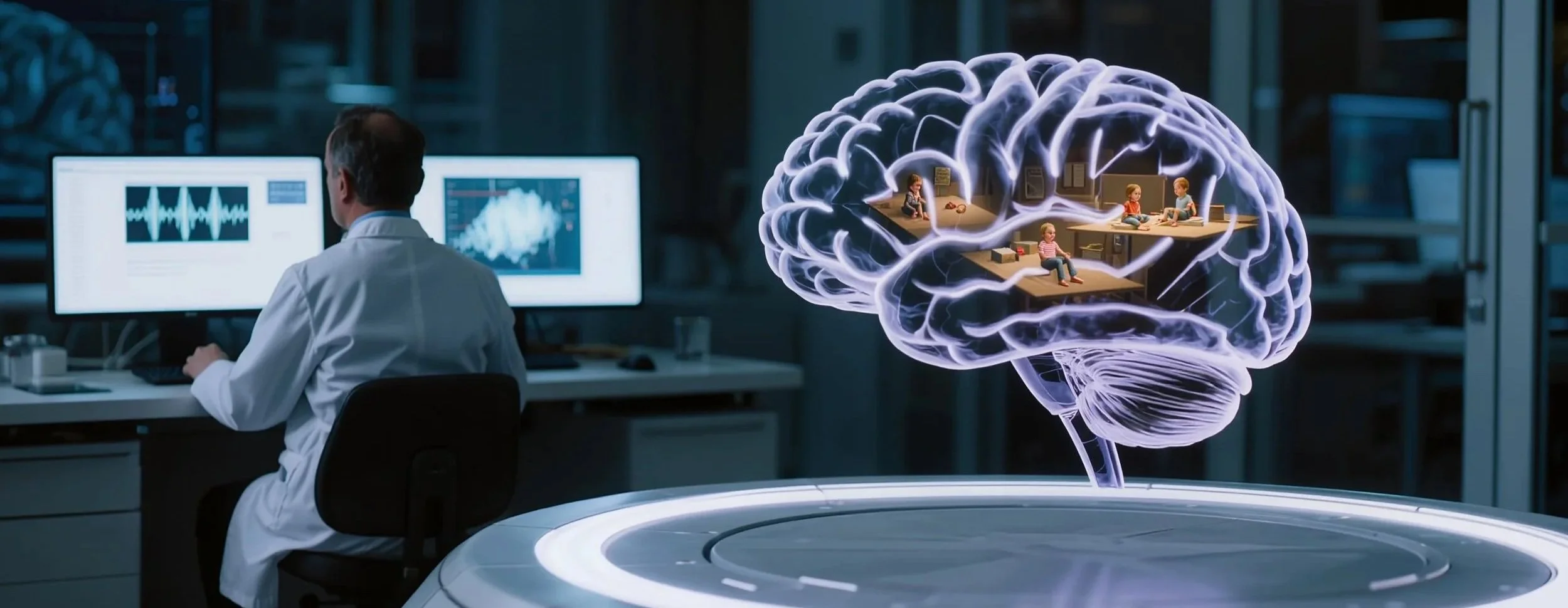
How does it actually do that? What are the mechanisms?
Well, there’s a few ways nostalgia can help you - and they’re not random.
Your brain leans on nostalgia in three very specific ways:
First up, identity anchoring.
When life shifts—like starting a new job, a relationship breaks up or things generally fall apart—nostalgia can pull you back to a stable version of yourself.
Not who you are right now in the present, but who you’ve consistently been over time. In other words, it can give you a sense of calm and continuity.
Secondly—Social bonding.
Have you ever met someone for the first time and realised you had something in common, like you both watched the same cartoon when you were growing up as kids - the Banana Splitz on a Saturday morning for example!?
That shared memory cuts through the usual social barriers.
Nostalgia will create instant familiarity—and that builds trust fast, helping you bond with people you might not otherwise have felt a connection to.
Thirdly—Stress regulation.
This is the big payoff - and in my opinion - the most important mechanism.
Nostalgia reminds your brain that good, safe moments have existed in the past. That really matters, because your brain can use past evidence to judge present threat.
In other words, if it’s seen and experienced safety before, it’s less likely to stay in full panic mode when you’re not feeling too good.
Basically, it’s your brain taking comfort from past experiences and telling you that things will be ok, which in the most basic terms, makes you feel better.

Why Is Everything a Reboot? (The Money Part)
Just like everything in life, there’s a potential down side to nostalgia and that inevitably means someone is trying to use nostalgia to take money off you!
For example, if you’ve looked at the cinema listings lately, you’ll have noticed that everything is a sequel, a remake or a "re-imagining" of an old film or franchise.
So, does this mean Hollywood is just lazy and relying on old successes?
Well, yes in part, but they also know your brain doesn’t have a nostalgia “off switch."
Hollywood uses Nostalgic Marketing because they know it directly bypasses your, ‘I shouldn't spend money on that’ filter.
So, when you see that familiar brand from your childhood and you feel the need to own it, you aren't simply buying a product; you’re trying to buy back a feeling – and in the world of business, that ‘feeling’ is literally worth its weight in gold!
In this respect, the Hollywood studios understand the concept of the ‘cycle of Nostalgia Cool’ and they have identified and capitalise on a recurring pattern, the 20-year rule.
So, what do I mean by the 20-year rule, how can nostalgia have rules?
Well, nostalgia drives trends and Hollywood knows that trends usually come back every 20 years - because the kids who loved them back in the day are now 20 years older and are the adults with credit cards.
Bingo!
In other words, they understand the comfort buy.
In uncertain times, during a mid-life crisis for example, periods of stress, social unrest and global chaos, as consumers we subconsciously retreat to what we know best - and this can include movies, merchandise and a longing for familiar faces and experiences.
Think of the Indiana Jones remakes, the reboot of Star Wars and all the associated action figures and merch that comes along with it.
It’s all ultimately feeding our insatiable need for nostalgia and delivers the fix we need – at a cost!
When Nostalgia Goes Too Far
So, we’ve established something important—nostalgia isn’t just sentimental, it’s helpful, useful and yes – it can cost you money!
It can stabilise you, connect you, even calm you down.
But here’s the problem: anything that makes you feel better that quickly can also be over relied on and overused. That’s kind of stating the obvious but it’s an important factor to consider.
So, the question is - can you have too much nostalgia?
In my opinion, yes, you can. When an over reliance on nostalgia tips too far, it stops helping—and starts holding you back.
Think of it like this -
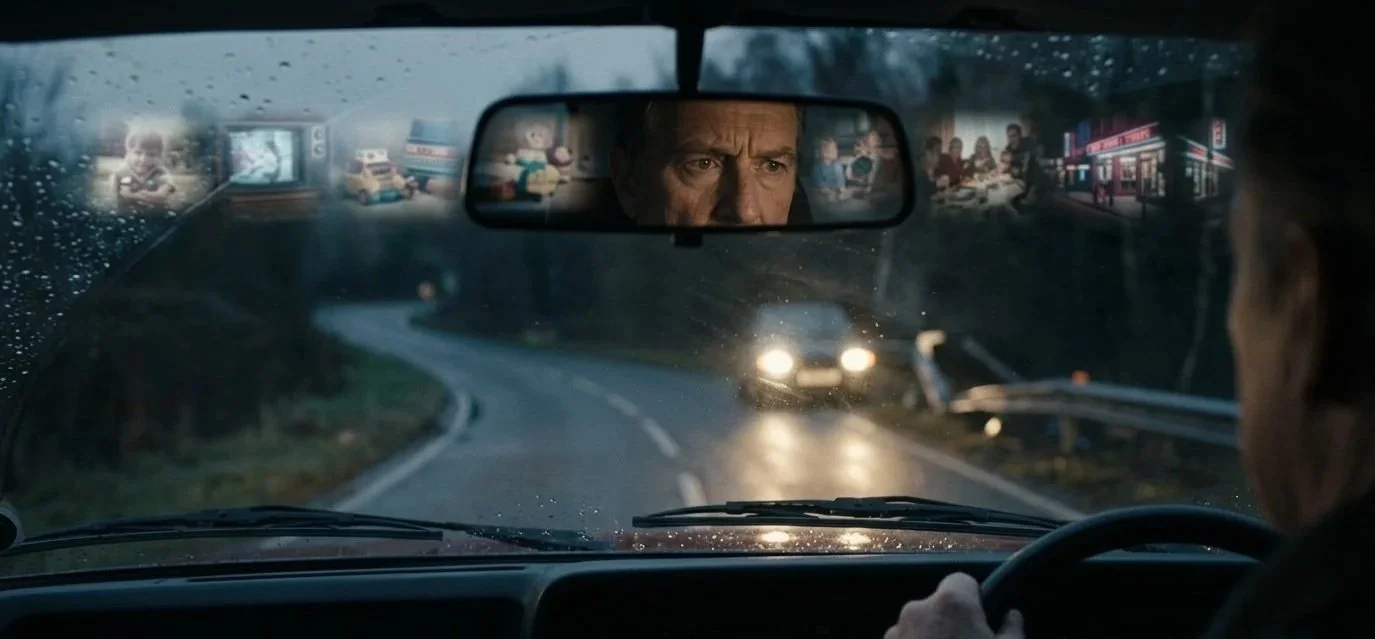
If you’re constantly looking in the rearview mirror to feel okay, sooner or later, you’re going to crash the car.
This is where people fall into the trap of what’s called declinism—the belief that the past was better and everything from here on is downhill.
So, what’s the fix?
My advice is to use nostalgia as a battery, not a map.
In other words, let nostalgia recharge you when you need it—but don’t let it tell you where to go.
Because, fair enough, leaning on the past will remind you of who you were, where you came from and why you are the person you are now —but it can’t live your life for you.
It can guide you, yes, but it can never take your next step.
So, while nostalgia can be a comfort, it shouldn’t be what decides your future.
How nostalgia can help to heal your brain
At the end of the day, nostalgia isn’t just a “throwback Thursday” post or antiques haul video.
It’s your brain’s way of helping you to keep grounded, connected and sane in a world that, for many people, moves way too fast.
But there’s a fine line most people don’t notice.
Because while nostalgia can comfort you, soften the edges of memory and remind you of what once mattered — it can also quietly start to replace the present and future if you let it.
The past has its place, for sure.
It can teach you, steady you, even warn you. It can remind you of the strength you forgot you had, or people who shaped you more than you realised. But it doesn’t move forward with you. It doesn’t make today’s decisions. It doesn’t build tomorrow.
That part is down to you.
And maybe that’s the real truth about nostalgia — it isn’t a place to live; it’s a place to visit. It’s a reference point, not a destination.
Because life doesn’t unfold behind you, it evolves in front of you, in real time, whether you’re ready for it, or not.
It’s okay to look back, learn and remember.
We all do, it’s only human.
But don’t stay there too long, because everything you’re hoping for, everything you’re still trying to become, is never locked in your memory — it’s always ahead of you and maybe in reach – but only if you take the next step on your journey.
Thanks for reading the Antiques Central Blog.
Mark Ray
Visit our YouTube playlist featuring antiques and vintage podcasts↗︎
Leave a comment below to share your opinions, memories and stories.
Please consider subscribing to our YouTube community for more antique and vintage journeys↗︎
